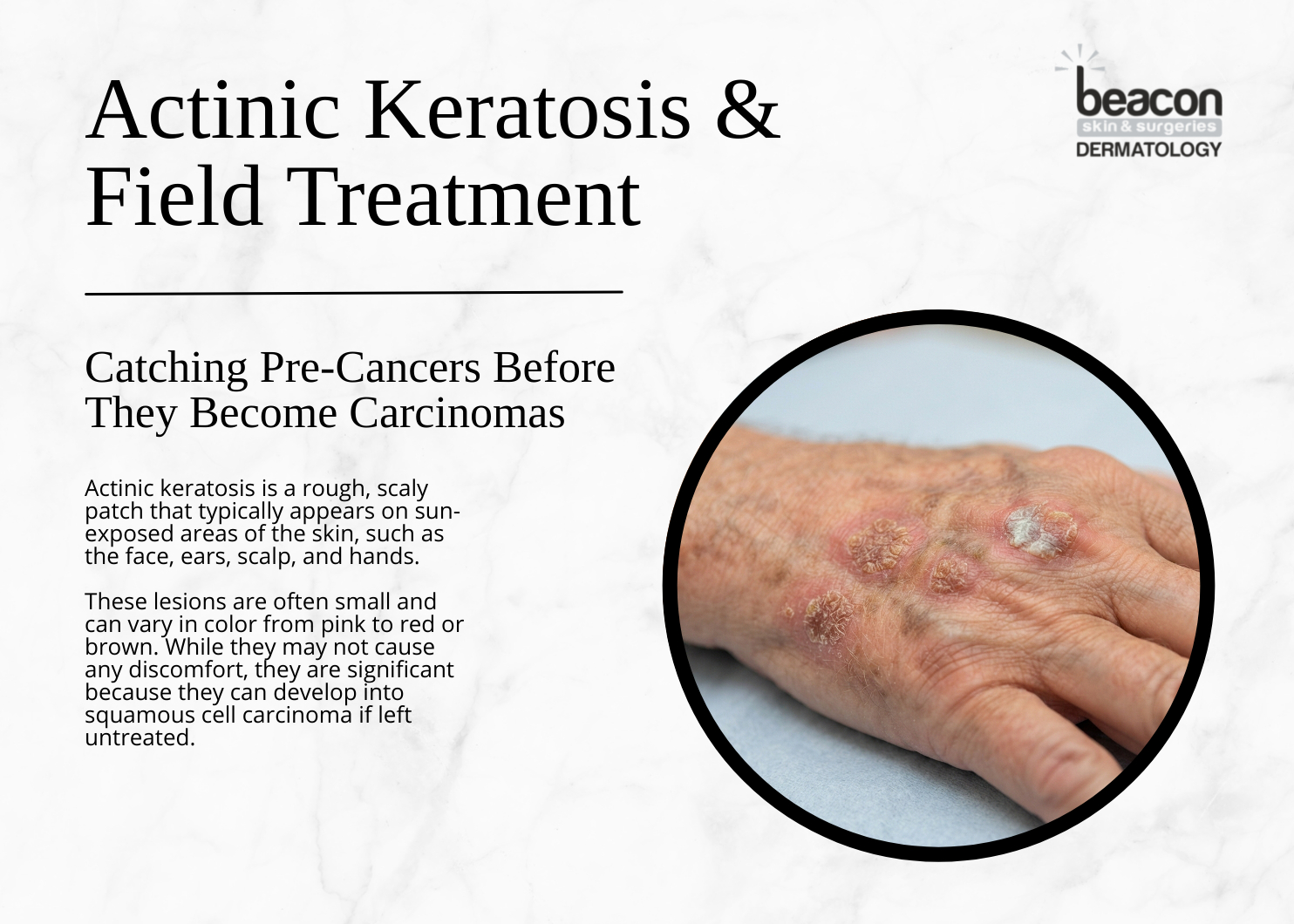
Taking care of your skin involves more than just a daily routine of cleansers and sunscreen. One of the most important preventative steps you can take for your long-term health is scheduling a routine dermatologist mole check. Whether you have noticed a spot changing in size, shape, or color, or you simply want peace of mind through a comprehensive skin examination, professional oversight is essential for catching potential issues early.
For patients throughout Michigan proactive skin care is a cornerstone of overall wellness. Here is a closer look at why skin checks are so vital and how a professional evaluation works.
Why Regular Skin Examinations Are Essential
Skin cancer is one of the most common forms of cancer, but it is also one of the most treatable when detected in its earliest stages. Routine evaluations performed by a qualified medical team allow for the careful monitoring of moles, freckles, and other pigmented lesions over time.
Many changes on the skin happen gradually, making them difficult to notice on your own. A trained clinical eye can spot subtle irregularities—such as asymmetry, irregular borders, or varying color shades—that might otherwise go unnoticed until they become more advanced.
What Happens During a Professional Mole Check?
If you have never had a professional skin exam, knowing what to expect can help put your mind at ease. A standard evaluation at our offices is straightforward, thorough, and completely non-invasive:
- Patient History Review: Your provider will discuss your medical history, any personal or family history of skin cancer, and any specific spots or lesions you are concerned about.
- Full-Body Examination: Using specialized lighting and magnification tools, the clinician will examine your skin from head to toe, checking areas exposed to the sun as well as those that are typically covered.
- Discussion and Recommendations: If a suspicious mole or lesion is identified, the clinician will explain the findings clearly and discuss whether a simple biopsy or ongoing monitoring is recommended.
At-Home Monitoring: The ABCDE Guide and New Spots
While professional checks are irreplaceable, self-examinations performed monthly at home are a great way to stay familiar with your skin. Keep an eye out for any spots that look different from the rest of your moles (often called the “ugly duckling” sign), and watch for these specific criteria:
- A – Asymmetry: One half of the mole does not match the other half.
- B – Border: The edges are irregular, ragged, notched, or blurred.
- C – Color: The color is not uniform and may include different shades of brown or black, or patches of pink, red, white, or blue.
- D – Diameter: The spot is larger than 6 millimeters (about the size of a pencil eraser), although melanomas can sometimes be smaller.
- E – Evolving (or Entirely New): The mole is changing in size, shape, color, or elevation—or it is a brand new spot that has suddenly appeared on your skin as an adult. Any new, changing, bleeding, or itching lesion warrants prompt attention.
If you notice any of these warning signs during a self-exam, it is time to schedule a professional evaluation immediately.
Schedule Your Skin Check Today
Protecting your skin health starts with a simple conversation and a thorough examination. As of this writing, our practice maintains a 4.9-star rating across more than 2,300 patient reviews, reflecting our dedication to providing professional, patient-centered care.
Note: For cosmetic skincare goals, patients can also explore aesthetic treatments available through BE Medi Spa, a separate suite located within the same building.
To schedule your next dermatologist mole check at any of our convenient Southeast Michigan locations—including Rochester Hills, Livonia, Macomb, Allen Park, and Novi—visit Beacon Skin & Surgeries or call our team directly at (248) 852-1900.